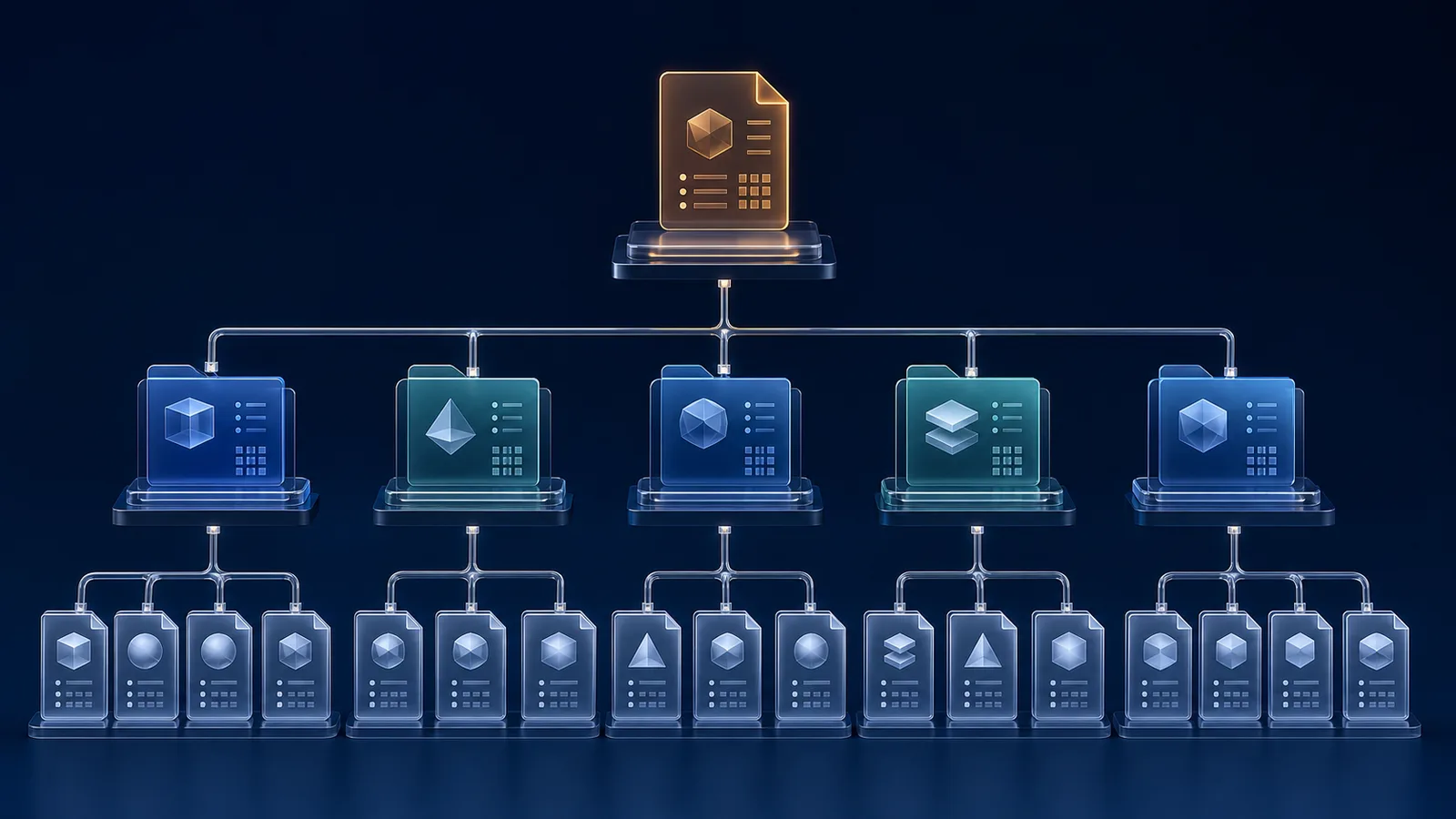

Crypto transaction reconciliation is the process of comparing the accounting ledger with reliable source evidence, accounting for every in-scope item, and resolving differences through documented review. The goal is not merely to make two totals agree. A sound reconciliation establishes completeness, identifies duplicates or timing differences, connects transactions to their business purpose, and supports balanced corrections when the ledger is wrong.
Set the scope and assemble evidence
Start by defining exactly what is being reconciled. Record the legal or reporting entity, ledger account, relevant source, reporting period, cutoff time, and preparer. Decide how pending, failed, reversed, and after-cutoff events will be handled. An unclear cutoff is a common reason two accurate records appear to disagree.
Build a source pack that is appropriate to the activity. It may include transaction records, confirmations, invoices, contracts, internal approvals, counterparty statements, and other evidence the entity is entitled to use. Preserve transaction identifiers, addresses where relevant, asset quantities, fees, status, and timestamps. Do not rely on a screenshot alone when stronger, retrievable evidence exists.
Confirm that source records belong to the entity and period before treating them as accounting evidence. A transaction visible in a record does not by itself prove control, ownership, business purpose, or the correct accounting treatment. Flag uncertain items for review instead of forcing them into a convenient category.
The step-by-step reconciliation workflow
- Freeze the comparison set. Retain the ledger extract and source records used for the reconciliation so the work can be reproduced.
- Normalize identifiers. Use a consistent format for transaction references, asset symbols or identifiers, timestamps, quantities, and signs without discarding the original evidence.
- Match exact items. Pair records using stable identifiers and corroborating fields. Avoid matching solely because two amounts happen to be equal.
- Compare quantities and fees. Check gross movement, net movement, and separately identifiable charges. A fee can explain why the amount sent differs from the amount received.
- Compare recorded values. Where a reporting-unit conversion is required, confirm the approved source, time convention, and method were applied consistently.
- Classify exceptions. Separate missing ledger entries, ledger-only items, duplicates, timing differences, quantity differences, valuation differences, and classification questions.
- Resolve and approve. Obtain evidence, post balanced corrections when justified, document the reviewer, and carry legitimate timing items forward.
After resolution, review the relevant account reports and trial balance. The trial balance tests debit and credit equality across the ledger, while reconciliation tests the ledger against evidence. Neither control replaces the other.
Investigate exceptions without hiding them
An exception is a question that needs a documented answer, not automatically an error. A source-only transaction may be after the ledger cutoff. A ledger-only entry may be a valid accrual supported by an invoice rather than a transaction record. A quantity difference may be a separately charged fee, while a value difference may arise from inconsistent conversion times.
Use an exception log with the account, date, amount or quantity, source reference, issue type, assigned owner, status, evidence, conclusion, and approval. Material or unusual exceptions deserve escalation under the entity's control policy. Avoid “plug” entries whose only purpose is to force agreement; a correction should identify the real event and the correct accounts.
When an exception reveals inconsistent bookkeeping, update the process as well as the entry. Clarify the relevant account description in the chart of accounts, improve required references, or add a review point. A repeated exception is often a design problem, not just a one-time mistake.
Worked example: an unrecorded transaction fee
Assume the source evidence shows that an entity sent 2.000 units of a digital asset and incurred a separate fee of 0.005 units. The ledger records only a 2.000-unit decrease. The reconciliation therefore shows a 0.005-unit source-to-ledger difference.
The preparer confirms the fee, retains the transaction identifier, applies the entity's documented reporting-unit measurement policy, and calculates a value of 15 reporting units for this example. If the approved policy classifies the amount as a current-period processing cost, the illustrative correction is:
| Account | Debit | Credit |
|---|---|---|
| Processing costs | 15 | — |
| Digital asset holdings | — | 15 |
| Total | 15 | 15 |
The preparer then re-runs the comparison, marks the exception resolved, and links the evidence and approval. This example demonstrates a balanced correction; it does not prescribe whether a particular fee should be expensed, included in another amount, or treated differently. That determination depends on the facts and applicable professional guidance.
Controls, limitations, and compliance boundaries
Use a clear preparer-reviewer process, protected reporting cutoffs, consistent evidence retention, unique transaction references, and sign-off criteria. Reconcile higher-volume or higher-risk accounts often enough that missing context can still be recovered. At period end, investigate unresolved items and document why any exception remains open.
The AmarDeFi Accounting workspace supports accounts, balanced debit and credit transactions, and reports including a trial balance. It can help organize ledger records and review, but reconciliation still requires the entity to obtain reliable evidence, define scope, investigate differences, and make qualified accounting judgments.
Reconciliation does not establish legal ownership, verify counterparties, guarantee recoverability, select tax treatment, or demonstrate compliance with a reporting framework. Requirements differ by transaction and jurisdiction. Ask a locally qualified accounting, tax, or legal professional to review material classifications, valuation methods, filing obligations, evidence standards, and unresolved exceptions.
Frequently asked questions
Is reconciliation the same as matching totals?
No. Equal totals can hide offsetting errors, duplicates, or wrong classifications. Reconciliation accounts for individual items, evidence, cutoff, quantities, values, and unresolved differences.
What should happen to a pending transaction at period end?
Document its status and apply the entity's approved cutoff and recognition policy. Do not treat a visible pending item as completed without suitable evidence and professional analysis where material.
Can a reconciliation difference be posted to a general “adjustment” account?
A temporary investigation label may help organize work, but a final correction should reflect the actual event and approved classification. Unsupported plug entries can conceal the cause of a difference.
How frequently should crypto accounts be reconciled?
Set frequency according to transaction volume, risk, staffing, and reporting deadlines. High-activity accounts may need more frequent review, with formal completion at each reporting cutoff.
Editorial note: This article is general educational information, not personalized financial, accounting, tax, or legal advice. Product capabilities and obligations can change; verify current facts and consult a qualified professional where needed.