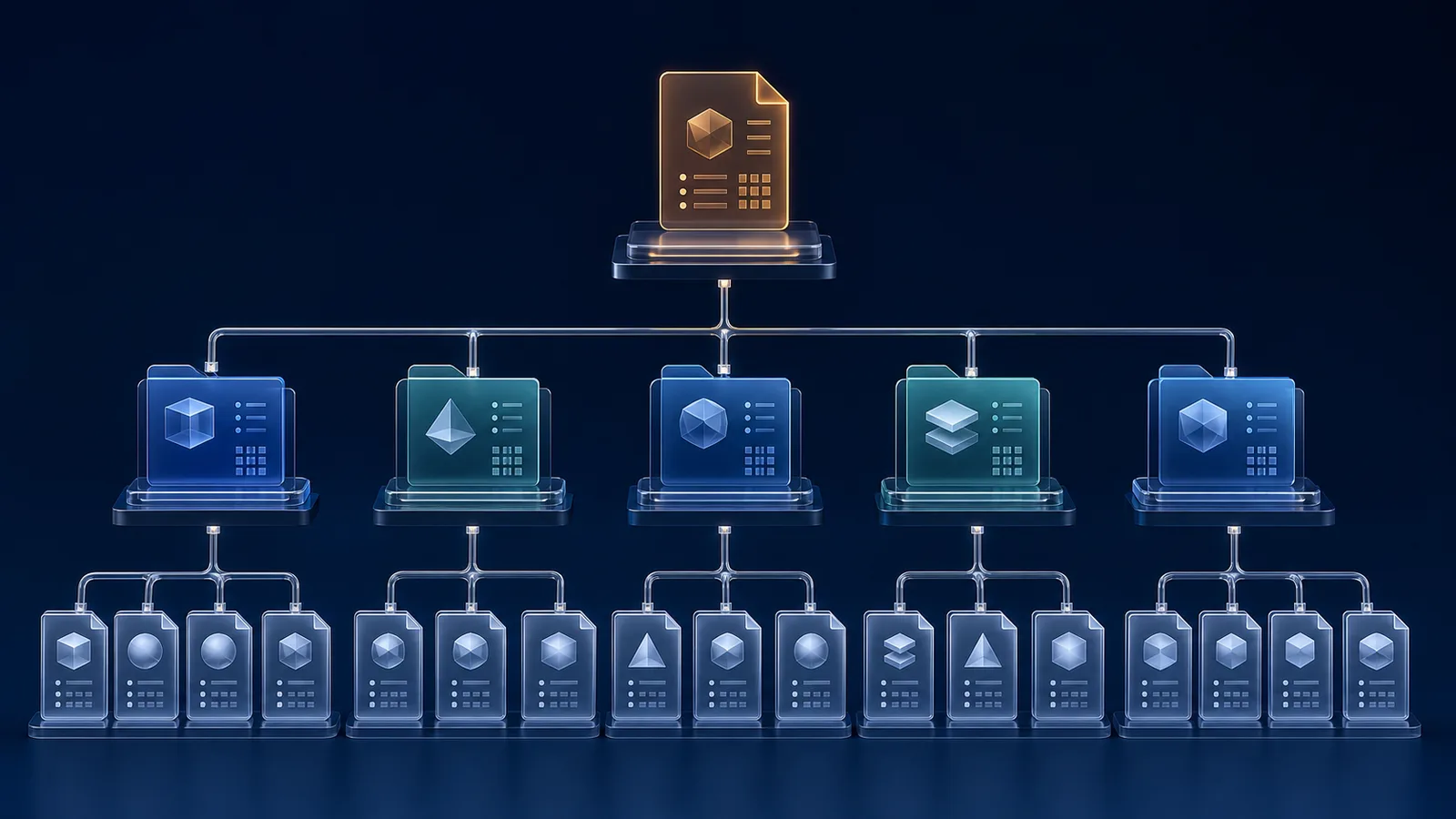

Double-entry bookkeeping records every transaction in at least two accounts, with total debits equal to total credits. For a digital asset business, that structure connects each movement of value to its economic reason: acquiring an asset, paying a cost, receiving funding, earning income, or settling an obligation. The method does not decide the correct legal, tax, or reporting classification; it creates a balanced record that makes those decisions easier to apply, review, and explain.
Why double-entry matters for digital asset activity
A list of deposits and withdrawals shows movement, but it rarely tells the whole accounting story. A transfer may be a purchase, a payment, an owner contribution, a loan settlement, or a movement between resources controlled by the same entity. Double-entry bookkeeping adds that missing context by recording both sides of the event.
The result is a connected ledger. If an entity uses cash to acquire a digital asset, one resource decreases while another increases. If it receives a service before paying the supplier, a cost may be recorded alongside an obligation. This relationship supports account reports and a trial balance, where total debit and credit balances can be compared.
For records to remain useful, define the reporting entity and period first. Keep business activity separate from personal activity, assign a consistent transaction date, and retain evidence such as confirmations, agreements, invoices, or internal approvals. A ledger description should let a reviewer understand what happened without guessing from an address or transaction identifier alone.
The debit and credit logic
Debit and credit describe positions in an entry, not whether an event is good or bad. In a common bookkeeping structure, increases in asset and expense accounts are recorded as debits, while increases in liability, equity, and income accounts are recorded as credits. Decreases normally appear on the opposite side. The exact account classification must follow the entity's applicable policies and professional advice.
Suppose an event increases one resource and decreases another. The entry may debit the resource received and credit the resource given up. When an event affects more than two accounts, it becomes a compound entry, but the same rule applies: the sum of all debit lines must equal the sum of all credit lines.
A well-designed chart of accounts for digital assets makes this logic easier to apply. It separates broad account families while preserving enough detail to answer operational questions. Excessive detail can make reconciliation slow; too little detail can hide material differences. The useful level depends on the business and its reporting needs.
A repeatable recording workflow
- Identify the event. Determine what occurred, when it occurred, which entity was involved, and what evidence supports it.
- Determine the accounts. Select the resources, obligations, capital, income, or cost accounts affected under the entity's documented policy.
- Measure consistently. Record amounts using the entity's chosen reporting unit and a documented, consistently applied valuation source where conversion is required.
- Build the entry. Add a date, description, reference, debit lines, and credit lines. Confirm that the totals match.
- Review and post. Check the period, account choice, duplicate risk, and supporting record before including the entry in reports.
- Reconcile. Compare ledger activity with source evidence regularly and investigate missing, duplicated, or mismatched items.
Corrections should remain traceable. Instead of silently replacing a historical record, preserve a clear explanation of what changed and why, using the correction method required by the entity's controls. Regular transaction reconciliation helps identify exceptions before they accumulate.
Worked example: acquiring a digital asset
Assume a business acquires a quantity of a digital asset for 4,000 reporting units and pays from its cash account. For this neutral example, its documented policy uses a “Digital asset holdings” account. The entry would be:
| Account | Debit | Credit |
|---|---|---|
| Digital asset holdings | 4,000 | — |
| Cash | — | 4,000 |
| Total | 4,000 | 4,000 |
The entry is balanced because the resource received equals the resource surrendered. Now assume a separately identifiable processing cost of 20 is paid in cash. If the entity's approved policy treats that amount as a current-period cost, the illustrative entry debits a processing-cost account for 20 and credits cash for 20. Another policy may require a different treatment, so the example demonstrates mechanics rather than prescribing classification.
Notice what the entry does not establish. It does not prove ownership, select an authoritative price source, determine whether the item is current or non-current, or decide tax treatment. Those conclusions need appropriate evidence and rules outside the balancing equation.
Controls, limitations, and professional review
Useful controls include unique references, required descriptions, restricted period changes, consistent account selection, supporting-document checks, and review of unusual or high-value entries. The AmarDeFi Accounting workspace supports accounts, balanced debit and credit transactions, and reports including a trial balance. These tools can organize the bookkeeping process, but they do not replace judgment about recognition, measurement, presentation, tax, or regulatory obligations.
Double-entry balance is an arithmetic control, not a guarantee of accuracy or compliance. An omitted transaction affects neither side, and an entry posted to two wrong accounts can still balance. Digital asset classifications and reporting duties can differ by entity, transaction, contract, and jurisdiction. Ask a locally qualified accounting or legal professional to approve material classifications, valuation methods, disclosures, retention requirements, and filing positions.
Frequently asked questions
Does every transaction have only two lines?
No. A simple entry has one debit and one credit, while a compound entry can have several lines. It is valid when the total debits equal the total credits and every line reflects the same documented event.
Is a debit always an expense?
No. A debit can increase an asset or a cost account, or decrease certain other account types. The meaning comes from the account being used, not from the word “debit” alone.
Does a balanced entry prove the classification is correct?
No. Balance confirms equal arithmetic. The wrong accounts, date, amount, counterparty, or valuation can still be used. Review source evidence and obtain professional guidance for material judgments.
How often should the ledger be reconciled?
Choose a frequency based on volume, risk, and reporting deadlines. Many teams reconcile high-activity accounts more often and complete a formal review at each reporting cutoff.
Editorial note: This article is general educational information, not personalized financial, accounting, tax, or legal advice. Product capabilities and obligations can change; verify current facts and consult a qualified professional where needed.